The Reservations Playbook: Placing a Dehradun Companion Booking Around the Table
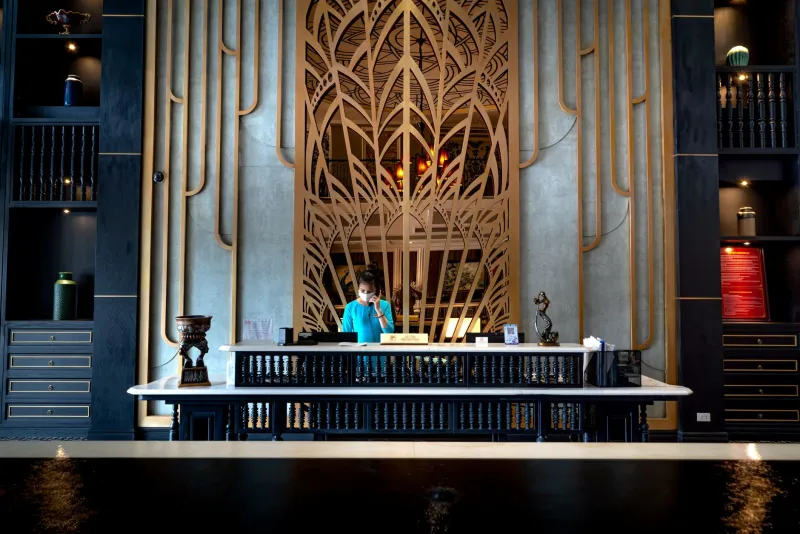
Photo: Shixart1985, CC BY 2.0, via Wikimedia Commons
Most first bookings fail at the table, not at the door. The conversation stalls, the ordering becomes a negotiation, or the bill arrives and nobody knows whose hand should move. A dining-first plan solves most of that in advance, because a restaurant gives the evening a script: arrival, ordering, pacing, dessert, departure.
Dehradun is well suited to this approach. The city has a genuine food culture spread across a few distinct registers, and a companion who lives here will almost always know the terrain better than a visitor reading reviews from across an ocean.
Why the Table Beats the Room
A restaurant is neutral ground. It provides built-in conversation material, a defined duration, and a graceful exit at a natural boundary. A hotel room provides none of those things on a first meeting, and it also front-loads the pressure of the entire evening into the first ninety seconds.
For a client arriving from the United States, there is a second advantage: dining is a shared cultural script. Whatever else is unfamiliar — the city, the language, the etiquette — sitting down to a meal is legible to everyone at the table.
Match the Room to the Mood, Not the Budget
Price is the least useful filter. The right question is what the two of you will actually do for two hours. A quiet corner in a mid-range café supports conversation. A loud, fashionable restaurant with a queue at the door does not, no matter how good the food is. A formal dining room imposes its own rhythm and can make a first meeting feel like an interview.
As a rough guide: first bookings travel best in rooms where you can hear each other without leaning in, and where the staff will not hover.
Vegetarian Country, Alcohol Caveats
A large share of Dehradun's residents are vegetarian, and many restaurants run separate kitchens or clearly marked menus. If your companion orders vegetarian, do not treat it as a compromise to be talked around. If you want to share plates, ask whether the restaurant permits it and whether the vegetarian dishes are cooked separately.
Beef is effectively off the menu across the city, and pork is uncommon outside a handful of establishments. Jain preparations, which omit root vegetables as well as meat, are widely understood — a useful phrase to have ready.
Alcohol is the more delicate subject. Licensed restaurants serve it, but several dates on the calendar are dry by law, including national holidays and election days, and enforcement is real. Many establishments also run a last-order cutoff earlier than an American visitor would expect. If a bottle of wine matters to the evening, confirm the license and the day before you book the table.
Reservation Mechanics Without Awkwardness
Book in your own name, for two, and mention a quiet table if the restaurant takes requests. Arriving together is simplest at a restaurant; there is no front desk to negotiate. If the companion is meeting you there, arrive ten minutes early and wait in the lobby rather than at the table, which spares her the walk across a full room alone.
Keep the booking under your name and your phone number. Do not add commentary to the reservation notes, and do not ask the staff to make arrangements beyond the table itself. Restaurant staff in a city this size talk to each other.
Four Scenarios That Work
The unhurried morning. A bakery or café in Clement Town or along Rajpur Road, coffee and something from the counter, ninety minutes maximum. Ideal for a first meeting where the goal is simply to establish ease.
The courtyard lunch. A mid-range multi-cuisine restaurant with an outdoor section, ordered family-style. Daylight does most of the work here, and a shared thali or a table of small plates gives the conversation a natural shape.
The polished dinner. A hotel dining room or a rooftop in Rajpur, booked for eight o'clock, dressed for. This is the format for a booking that already has a rhythm to it — a second or third meeting, or a first one between clients who have corresponded at length.
The late, light finish. Dessert and coffee rather than a full meal, at a place that stays open past ten. Useful when the day has already been long and neither party wants a formal sitting.
Pacing the Table
Let the companion order first, or ask what she would recommend. It is a small courtesy that hands her control of the one part of the evening she can shape. Order in courses rather than all at once if the kitchen will allow it; a table that fills up in four minutes has nothing left to do for the next hour.
On conversation, the reliable approach is to ask about the city rather than about her. Dehradun is her home and she can speak to it with authority that a visitor cannot fake, which produces better talk than any interview-style question.
The Check
In a hosted booking, the client settles the bill discreetly — ask the server for it quietly rather than announcing the intention, and pay by card or exact cash without a visible negotiation. Tipping of around ten percent is conventional in a restaurant at this tier, more for genuinely attentive service.
If the booking was arranged on an hourly or per-meeting basis where the companion handles her own costs, confirm that expectation before the evening begins rather than at the table. The moment the bill lands is the worst possible time to discover a disagreement about who pays for what.
A well-built dinner ends with both parties willing to do it again. That is worth more than a memorable restaurant.